
Content
Strategic insights on blockchain, AI, security, leadership, and career in an age of disruption.

How Coinbase Influences Bitcoin Without Owning It
Coinbase's push for quantum-safe Bitcoin reveals how custody creates soft power in decentralized networks—and what it means for your holdings.
Recent Essays

Why Three AI Reviewers Aren't Three Lines of Defense
Stacking multiple AI agents for review creates false confidence: they converge on identical decisions and abandon contradicting data to reach consensus, replicating the 2008 rating agency collapse.

Digital Money Choices Are Really Dependencies
Banks face a critical tradeoff when offering digital money: control, speed to market, and deposit flows. Each option—stablecoins, bank-issued tokens, or tokenized deposits—is fundamentally a dependency decision that requires treasury and accounting alignment before implementation.
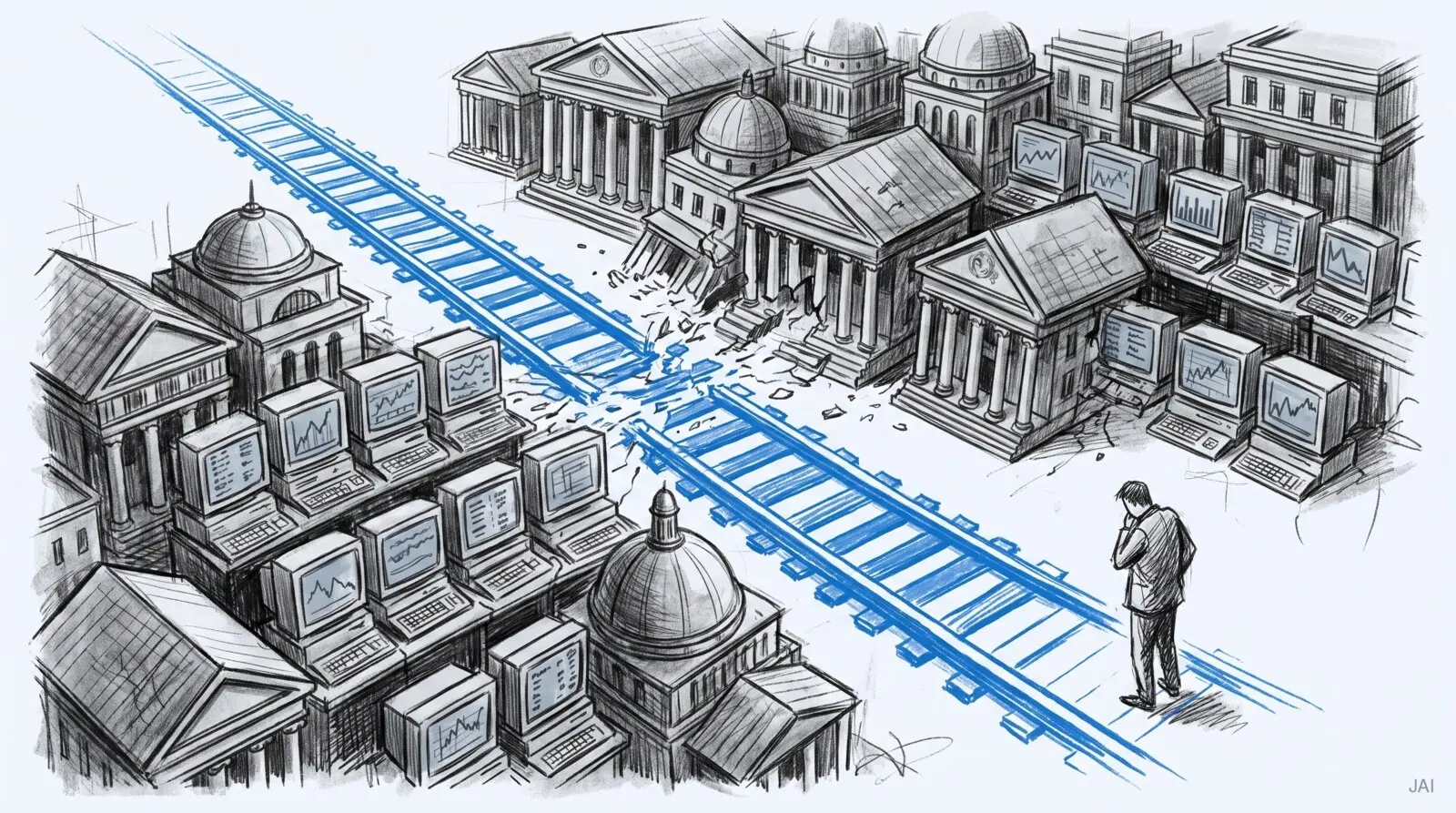
AI in Finance: Who Owns the Model's Output?
As OpenAI's ChatGPT for finance reshapes banking workflows, the real question isn't adoption—it's control. Financial services leaders must establish review processes that preserve client accountability and competitive moat.
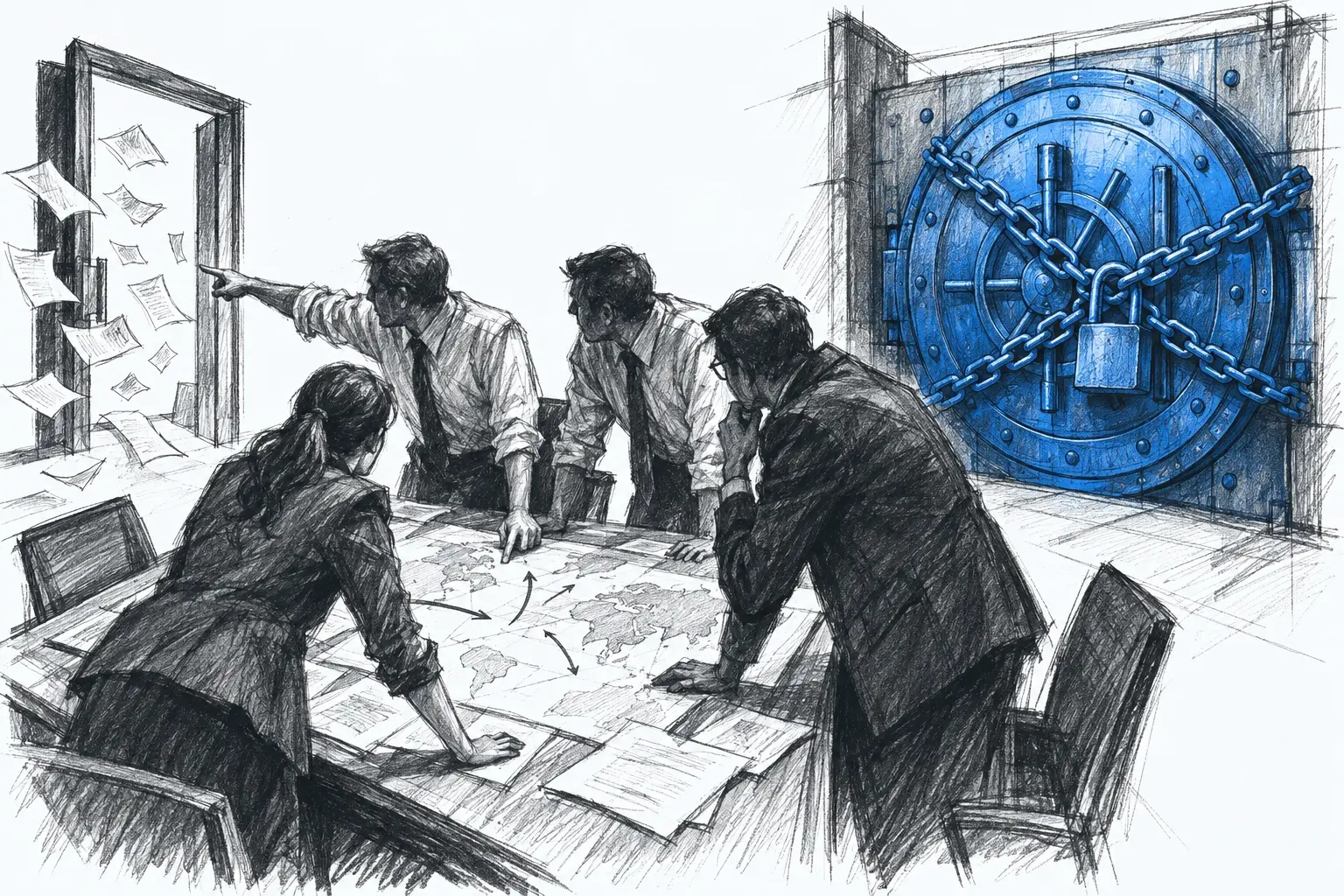
Crypto Crisis Readiness: Run Your Tabletop Now
The $6.3B Binance breach exposed a critical gap: most organizations can't answer basic questions about their crypto exposure in a crisis. Tabletop exercises focused on asset lockup—not just data breaches—are essential.
#zk starks
2 posts

zk-STARKs vs Bulletproofs vs zk-SNARKs: Transparency, Proof Size, and the Post-Quantum Question
zk-STARKs need no trusted setup and rest on hashes, not elliptic curves. How they compare with Bulletproofs and SNARKs, and which to pick when.

Zero-Knowledge Proofs Explained: What They Prove, What They Cost, What to Ask
Zero-knowledge proofs let you prove a claim without handing over the data. How they work, where they came from, what they cost, and what to ask first.