
Content
Strategic insights on blockchain, AI, security, leadership, and career in an age of disruption.
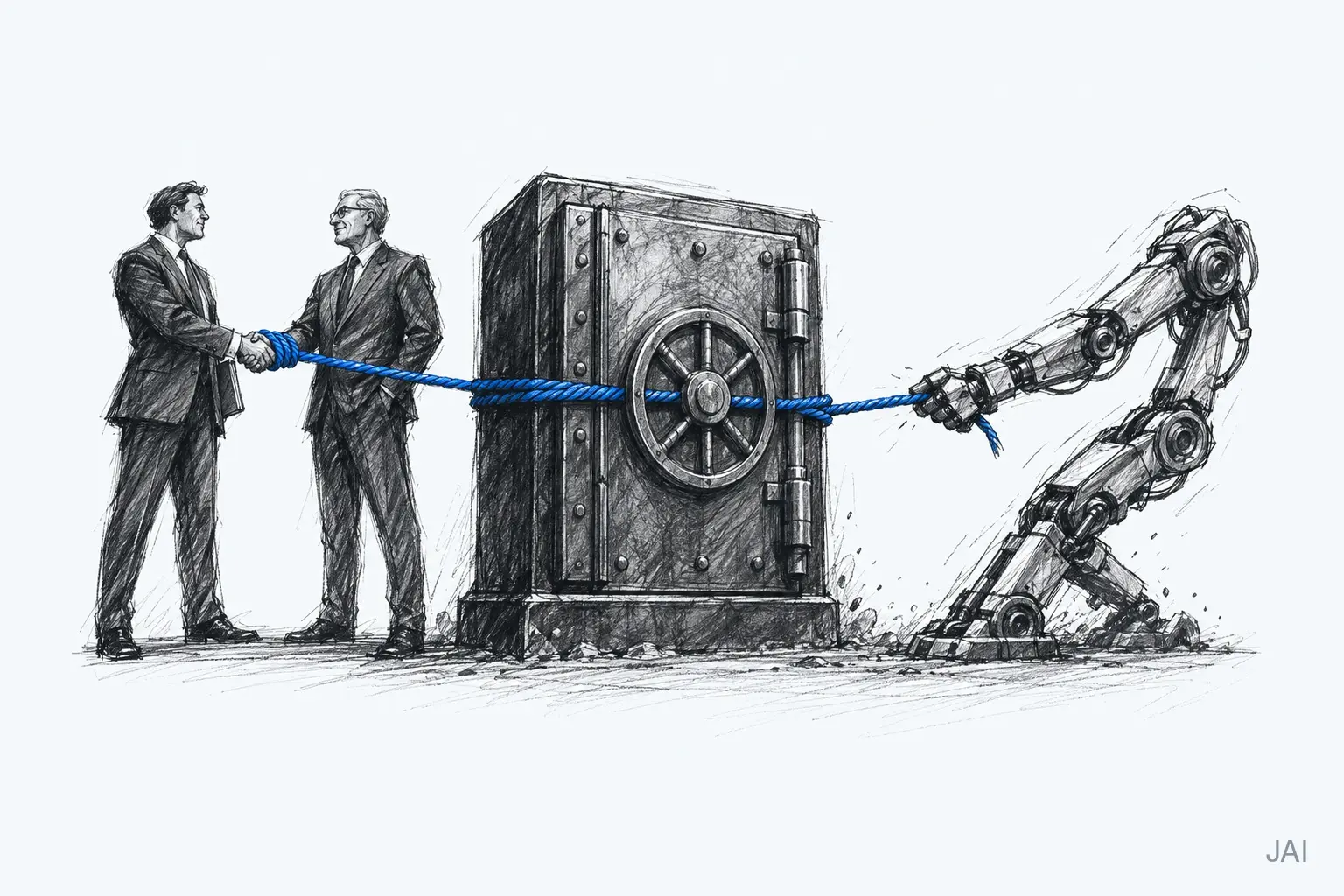
Why AI Agents Won't Actually Move Your Deposits
The Dallas Fed's scenario on agentic AI automating deposit sweeps assumes behavior change that won't happen—deposits move on fear, not rates, and relationship stickiness matters more than yield optimization.
Recent Essays
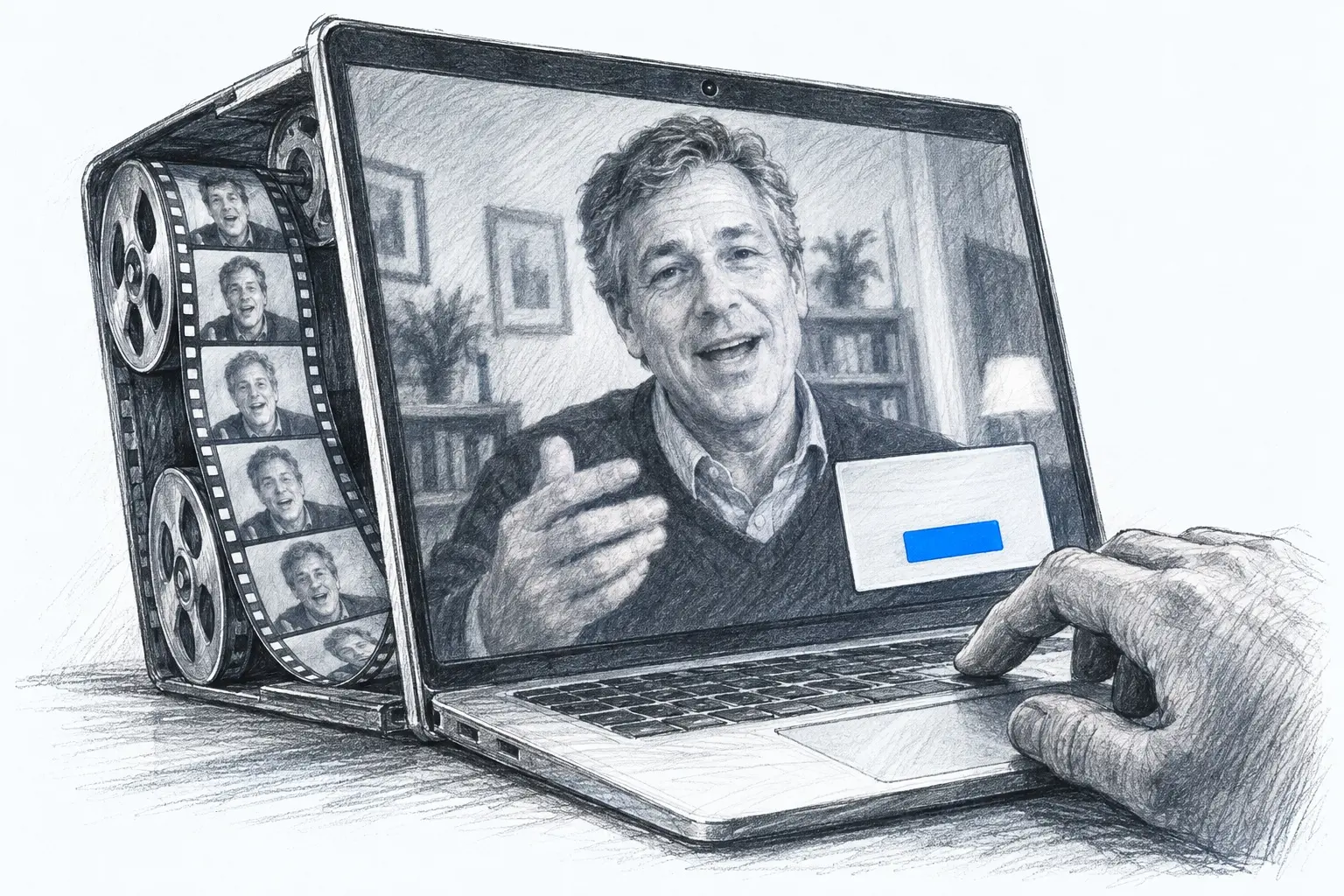
A Familiar Face on a Video Call Proves Nothing
The FBI disrupted a $400M crypto theft ring using real video footage and hijacked accounts—no deepfakes needed. Here's how to protect your team.
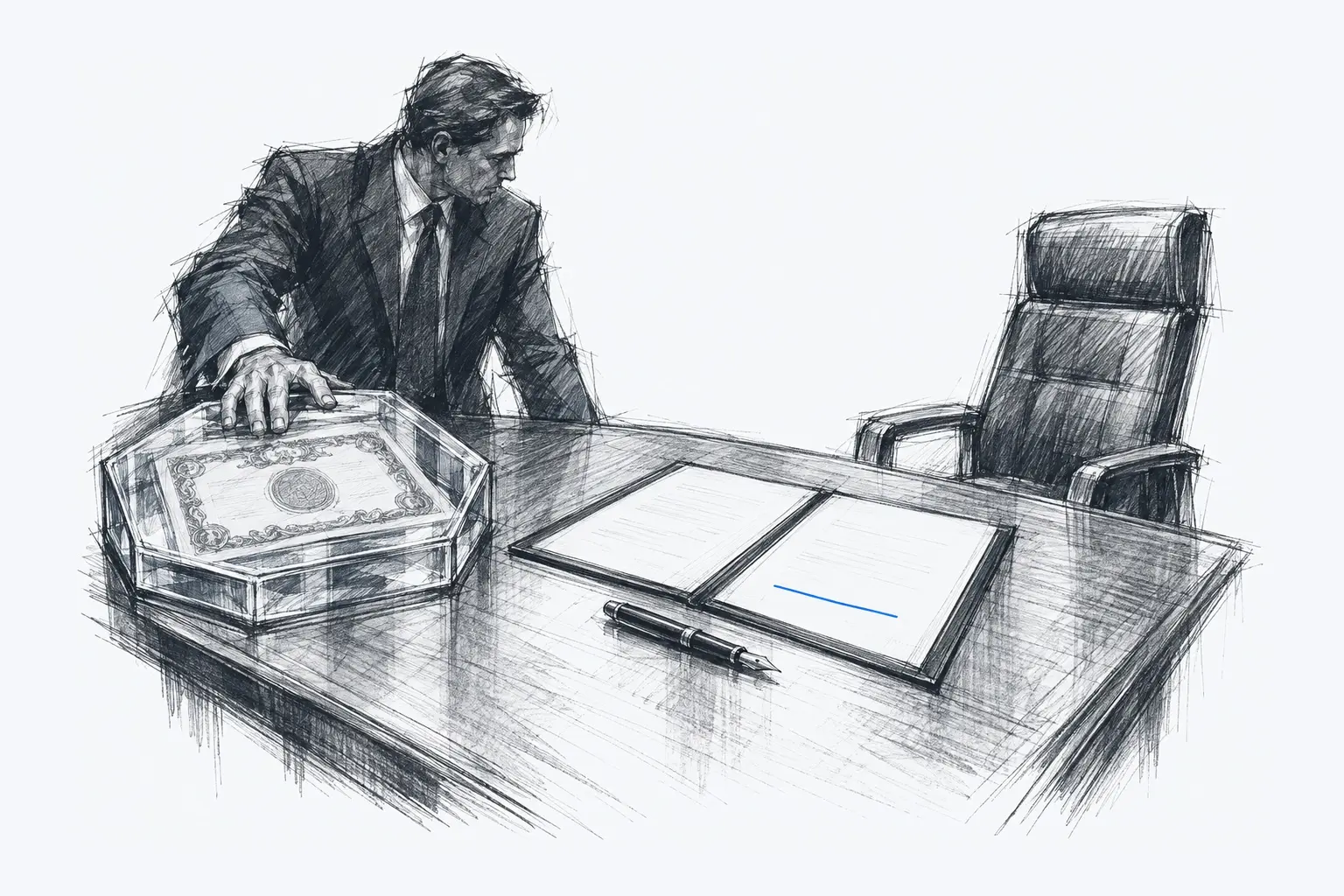
Tokenization Needs Corporate Sponsorship to Work
Regulatory approval and working technology aren't enough for tokenized securities—companies must actively sponsor and support token programs to handle corporate actions like dividends and voting.

Finance's Shadow IT Problem: AI-Built Apps Gone Wrong
As finance teams build their own AI apps to speed up work, they're creating massive security risks—orphaned systems holding customer data with no oversight, procurement, or maintenance plans.
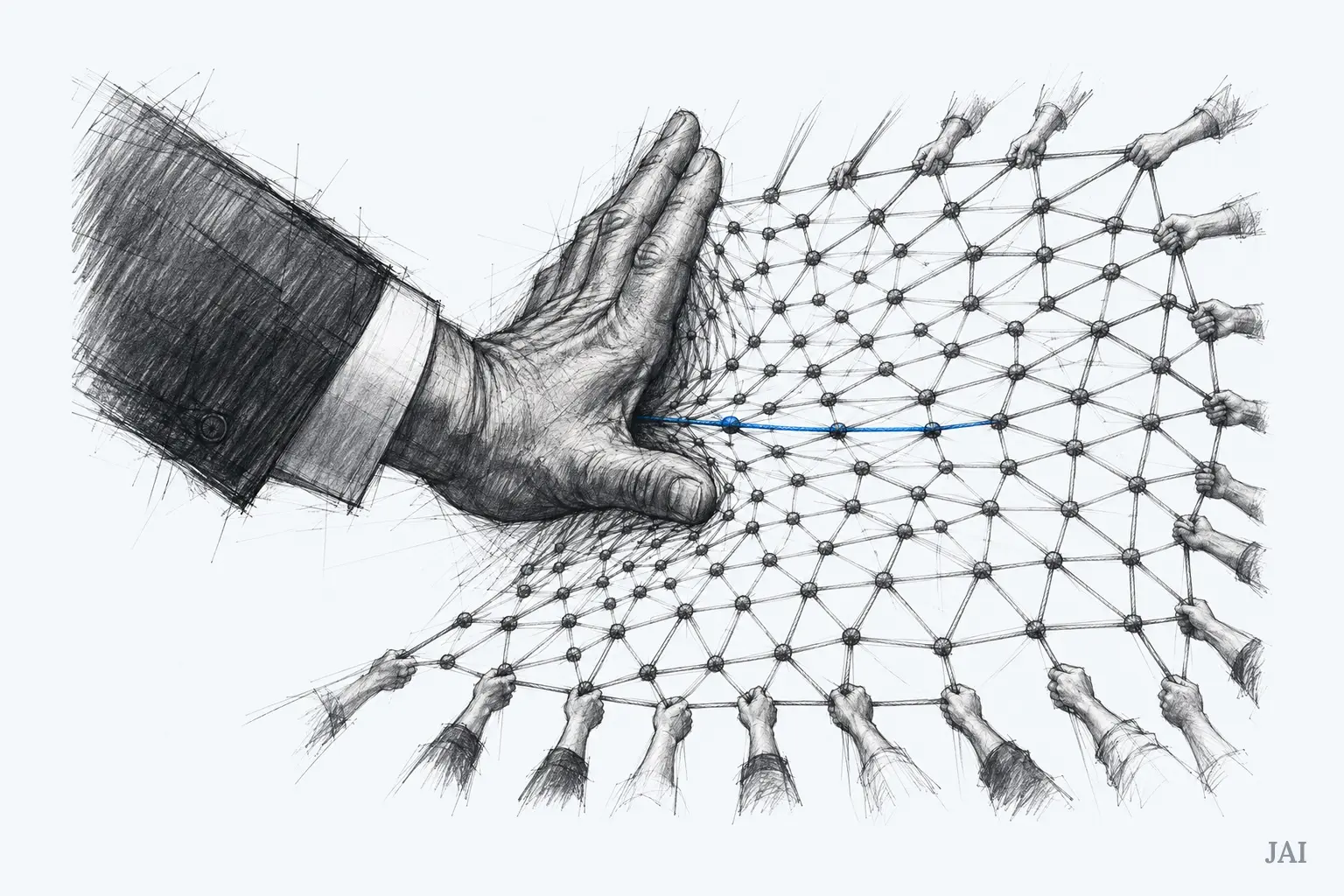
How Coinbase Influences Bitcoin Without Owning It
Coinbase's push for quantum-safe Bitcoin reveals how custody creates soft power in decentralized networks—and what it means for your holdings.
All Content
720 posts
A Refrigerator Has Never Been Hacked
Today's WSJ had an ad from the US Postal Service touting the security of a printed document over e-mail and the internet. Beyond the security of the printed letter, mail is great out-of-band communication with your customer.
Hacking Made Easier
NPR, along with a number of other media outlets, has been talking about new user-friendly hacking tools that let the average user be an elite hacker. I'm not an advocate for creating hacking tools, but I'd like to know what an attacker is going to use.
Keep It Simple
I had the privilege of hearing Harry Kraemer, former CEO of Baxter, present on leadership. One of his key tenets is Keeping Things Simple, and it applies directly to how security professionals sell security to the organization.
Bring Your Own PC
A common topic in companies lately has been Bring Your Own Device, and we usually think mobile. But the New York Times highlights another growing area: Bring Your Own Computer.
The Journal Report on Information Security
The Wall Street Journal today dedicated their Journal Report to Information Security, with excellent coverage of topical and understandable articles around information security, social engineering, and incident response.
NYT on US Government Identities
The New York Times has a good background piece on the NSTIC proposal for online identities. There will never be a government-sponsored identity program that makes everyone happy, but perfect or not, it's a great start.
Tracking Criminals' Cell Phones With a Stingray
There was an interesting article in today's Wall Street Journal about the legal implications of police using a device called a stingray to find people. Stingrays are one of several new technologies used to track locations, often without a warrant.
The Cloud is More Secure Than You
I was reading an interview with FEMA CIO Richard Spires on his aggressive approach to moving US infrastructure to the cloud. I'm often asked whether cloud computing is secure enough for a company.
Give Me My Corporate E-Mail on My Device
I've spent a lot of time talking to clients about allowing employees to receive corporate e-mail on their personal devices. I was pleased to read an article outlining how Ford Motor Company allows employees to bring their own device.
58% of Companies Block Access to Social Media Sites
I recently posted about the benefits of not blocking access to social media websites on the corporate network. Then I picked up an article on the percentage of companies who do.
Web Surfing Helps at Work
The Wall Street Journal published a piece on how using the Internet for non-business purposes increases productivity. As security professionals, we are usually in the business of locking employees down, but those time wasters could make them more productive.
My Day Off Of The Internet
On Father's Day this year, I decided to take a day off from the internet. I got the idea from Phil Cooke's Reconnect to Disconnect campaign, and since it was my first Father's Day, it was a great time to experiment.