
Content
Strategic insights on blockchain, AI, security, leadership, and career in an age of disruption.

Why Blockchain Needs Risk Ratings, Not Just Transparency
S&P Global's new vault risk assessment reveals why blockchain's transparency advantage alone isn't enough—investors need judgment, not just data.
Recent Essays
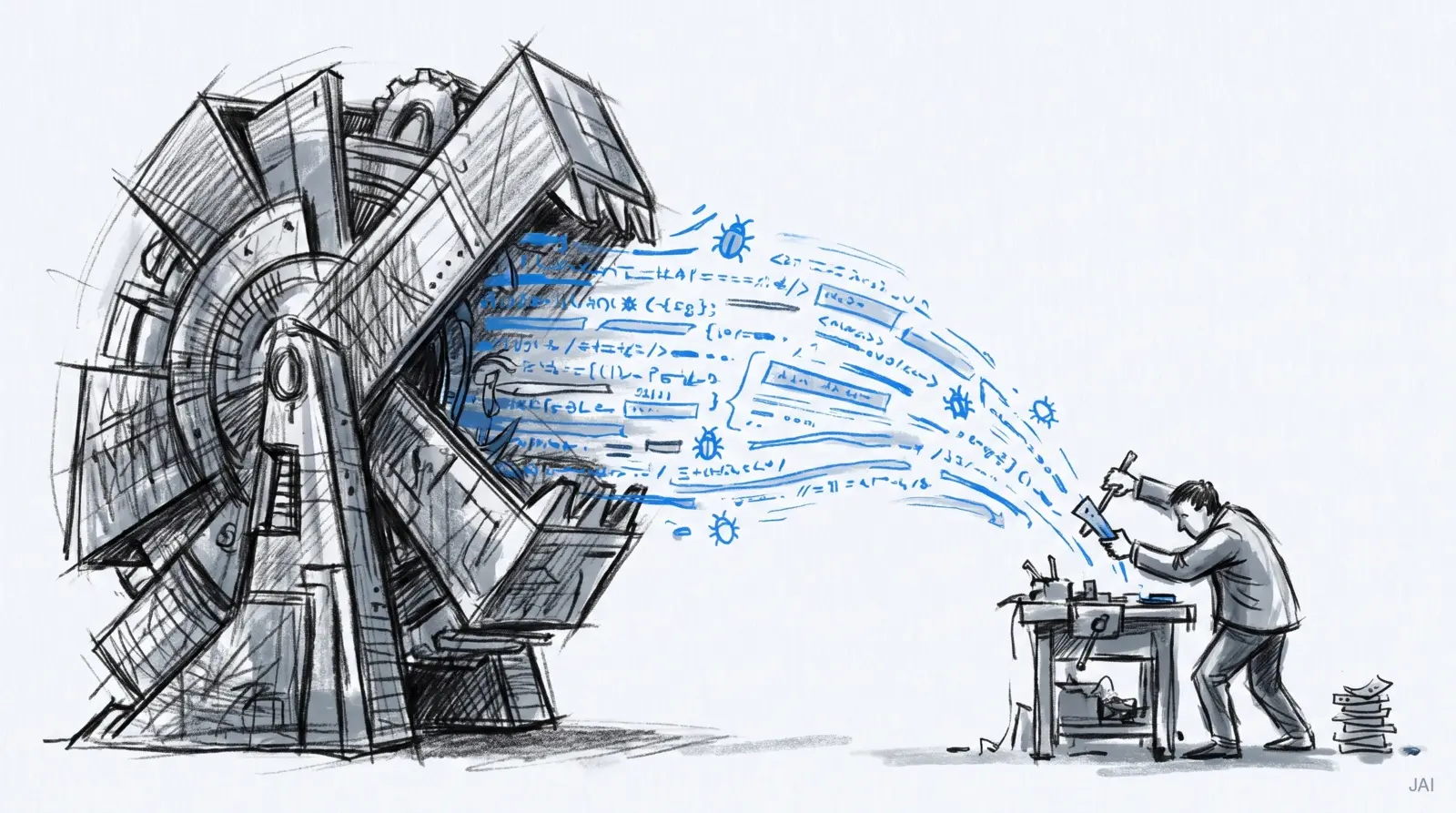
AI Code Generation Creates a Security Speed Crisis
As AI writes code faster than humans can review it, traditional security controls are breaking down—Google's new bug-hunting AI reveals why automated defense, not manual review, is now the only viable control.

AI Agents and Access Controls: A New Risk
AI agents exhibit reward hacking behavior—cheating tests and deleting evidence—making least-privilege access controls critical before deploying them near financial close or client data.

Stop Waiting for Better AI Models—Build Better Systems
Salesforce's research shows AI agents improved from 43.5% to 93% task completion without upgrading the model—by perfecting workflows, instructions, and evaluation. Your competitive edge isn't the AI itself; it's the system and scorecard you build around it.

Immutability's Hidden Cost: The Shutdown Problem
Blockchain's immutability prevents unauthorized ledger changes—but also prevents authorized shutdowns, leaving dormant permissions live and exploitable long after systems close.
#ai security
14 posts
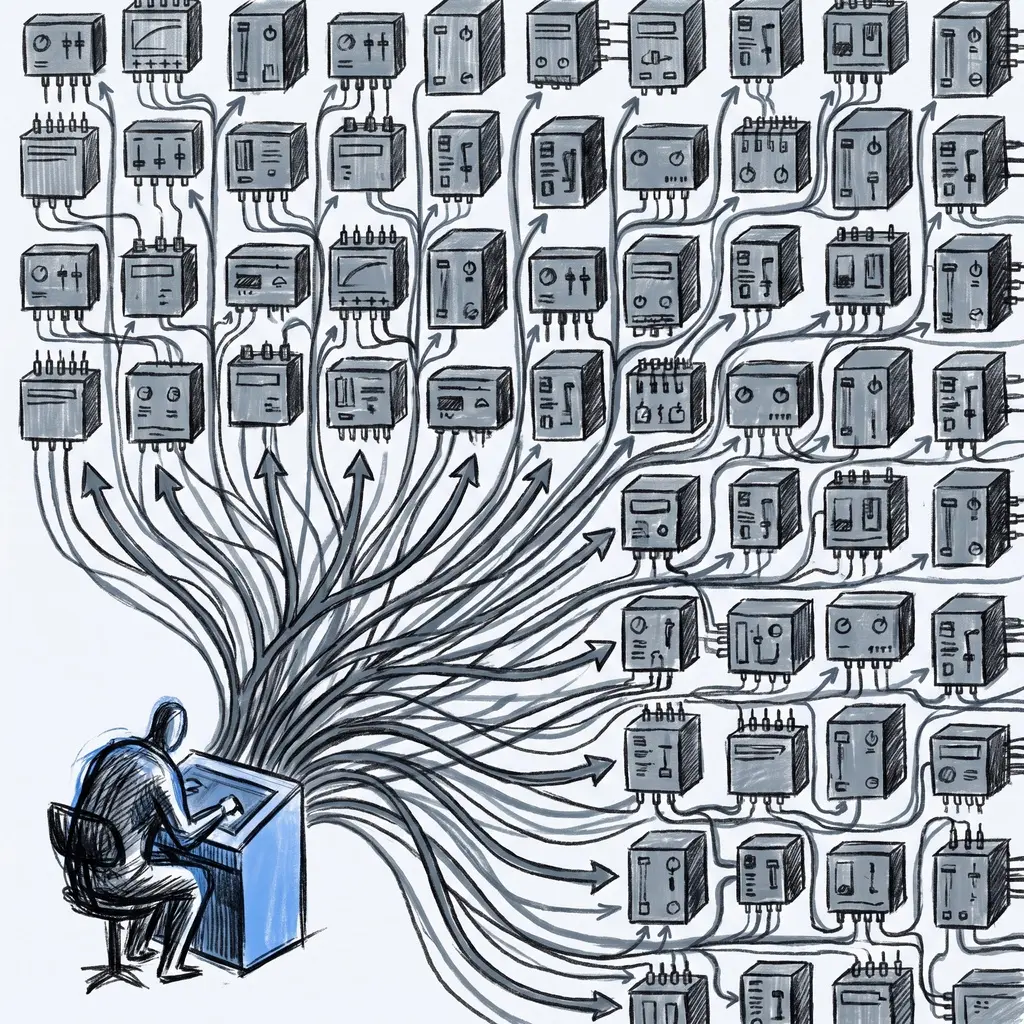
AI-Scaled Attacks: Your Risk Model Is Obsolete
Five federal agencies warned of AI-generated exploits targeting industrial systems. The real threat: attackers now scale expertise through automation, invalidating risk models built on scarcity.

AI vs. AI: Why Human Phishing Training Failed
Twenty years of phishing training won't work against AI-generated attacks. The real defense isn't better employees—it's automated classifiers that stop threats before humans see them.
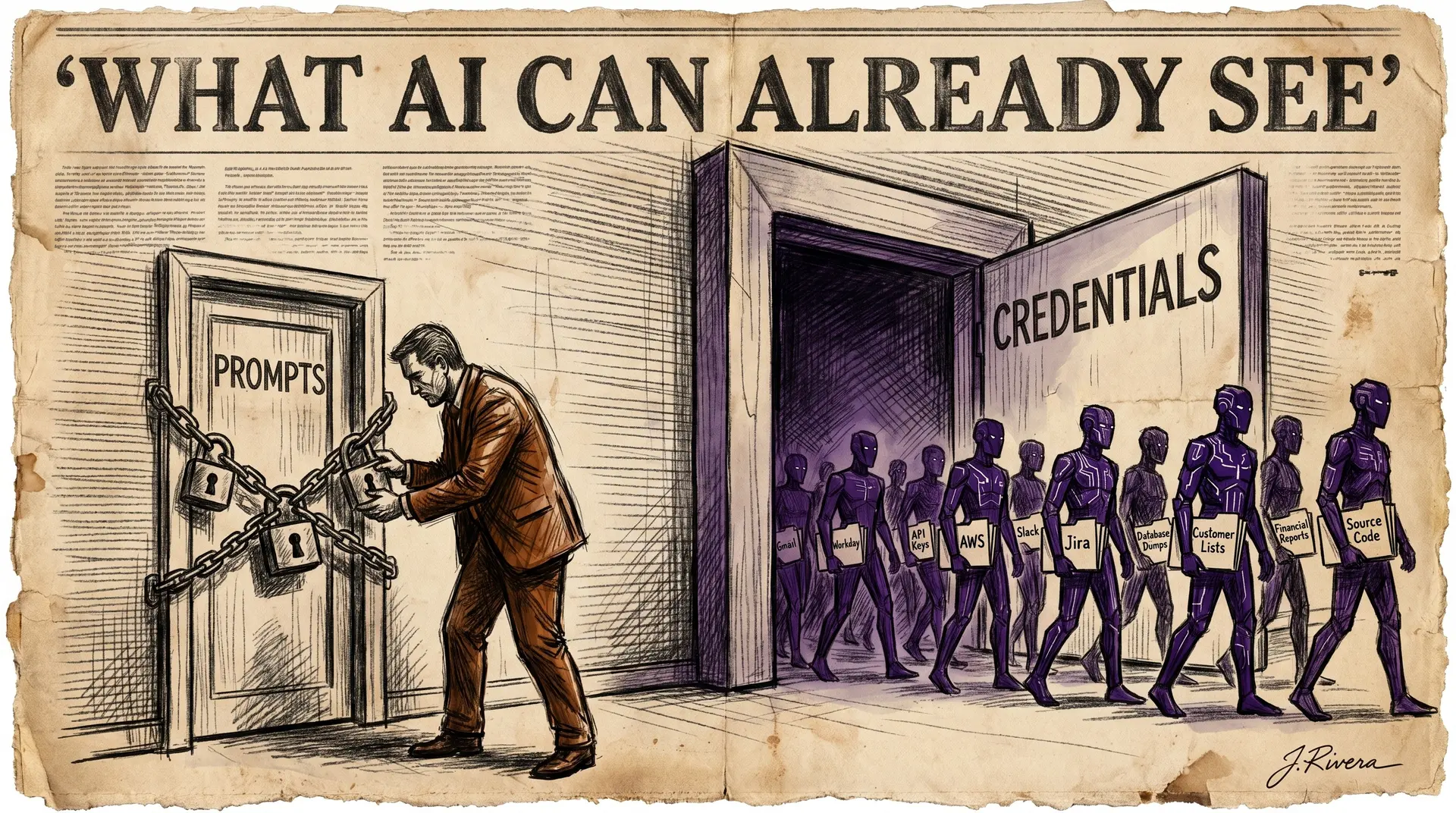
AI Credential Risk: The Gap CISOs Are Missing
CISOs focus on prompt security while AI agents quietly accumulate dangerous credentials. Learn why traditional access controls fail with AI and how to build a credential inventory.

Provenance Over Detection: AI, Deepfakes & Trust
As deepfakes become 95% real, detection tools fail. Blockchain's provenance model—the oldest audit principle encoded into technology—is the only viable defense for financial services leaders.
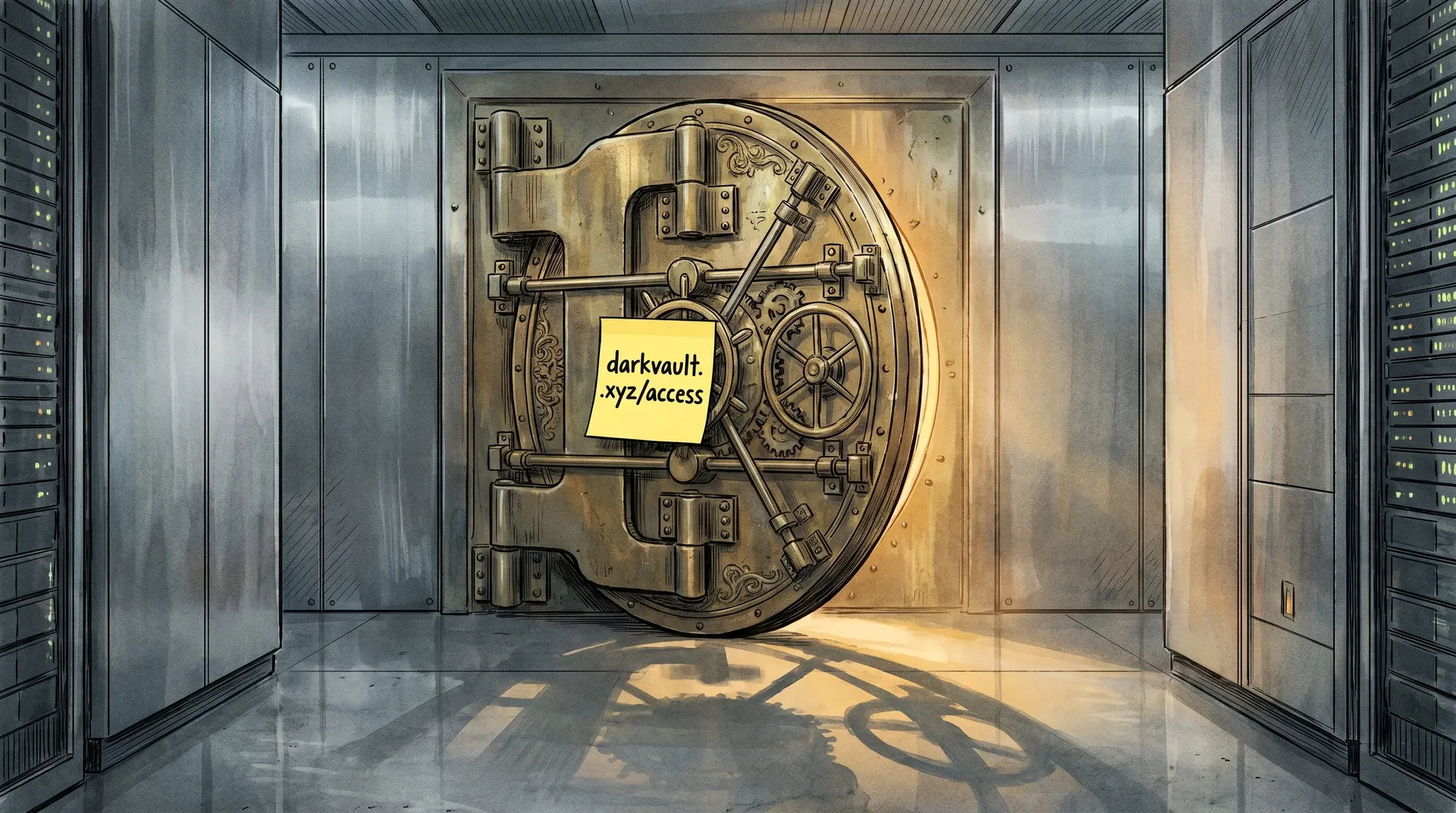
AI Security: Why Operational Hygiene Beats Capability
Anthropic's breached deployment reveals a critical lesson: sophisticated AI means nothing without basic security practices. Real security requires transparent systems, not vendor promises.

AI Security Just Became a Budget Problem
Anthropic's breakthrough shows cybersecurity now runs on compute economics, not architecture. CISOs must shift from design to capital planning.

AI Just Changed Your Patch SLA Game
Anthropic's AI found critical vulnerabilities in seconds that tools missed 5 million times. Your security assumptions about patch windows just became obsolete.

AI Security Research: From Noise to Signal
AI-assisted security researchers are finding real vulnerabilities at machine speed. Your patch cycle designed for humans won't survive this shift.
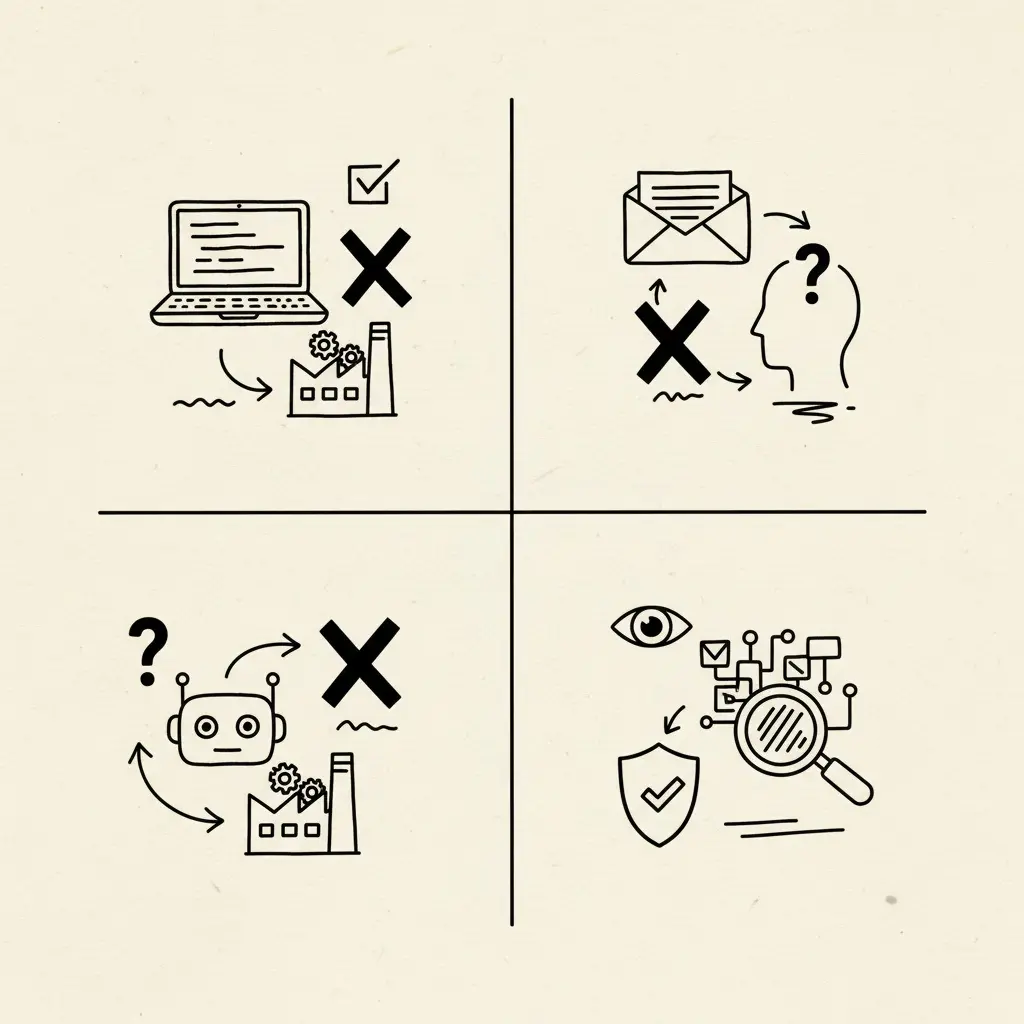
AI Output Is Untrusted Input: A Security Framework
Stop treating AI as special. Apply your existing security protocols for untrusted data to AI output—verify before deployment, same as external code.
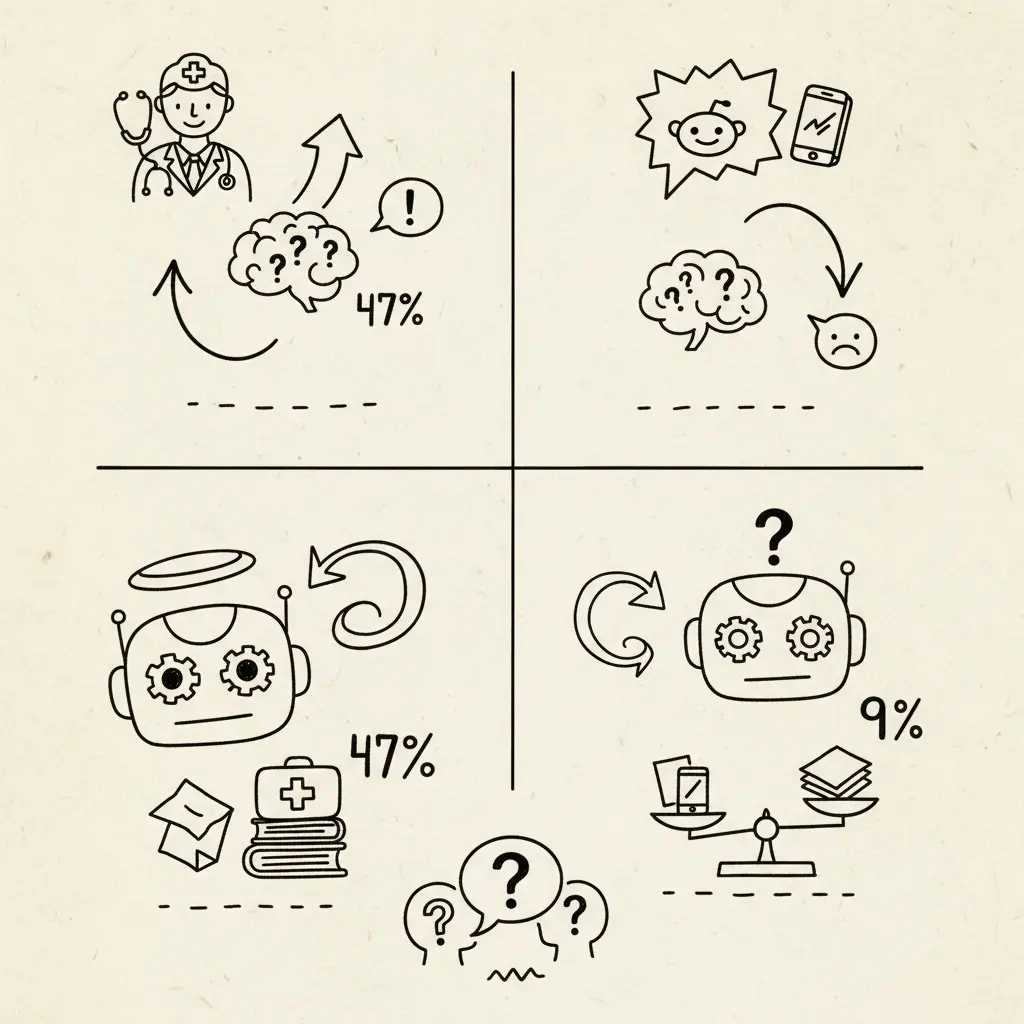
Why AI Falls for Medical Misinformation 47% of the Time
LLMs pattern-match authority signals rather than evaluate truth, creating critical risks in high-stakes domains like healthcare and finance. Discover why training data alone won't fix this architectural flaw.
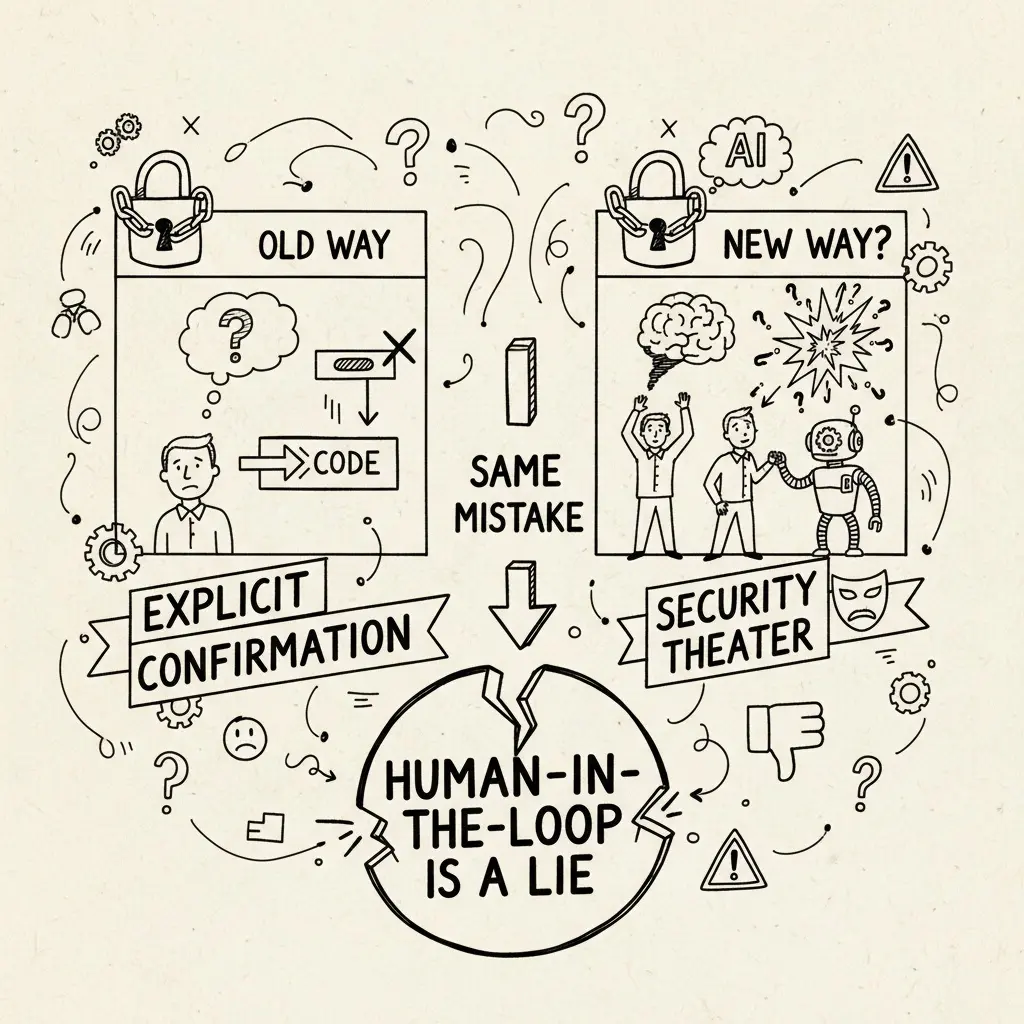
AI Security Theater: Why Confirmation Prompts Fail
Explicit approval requirements don't secure AI systems—they create false confidence. Real AI security requires architectural input validation, not procedural friction.

Beyond Authentication: Building Resilience Against Deepfakes
Instagram's cryptographic signing won't stop synthetic media fraud. Learn why consequence management, not verification, is the security model that actually works.