
Content
Strategic insights on blockchain, AI, security, leadership, and career in an age of disruption.
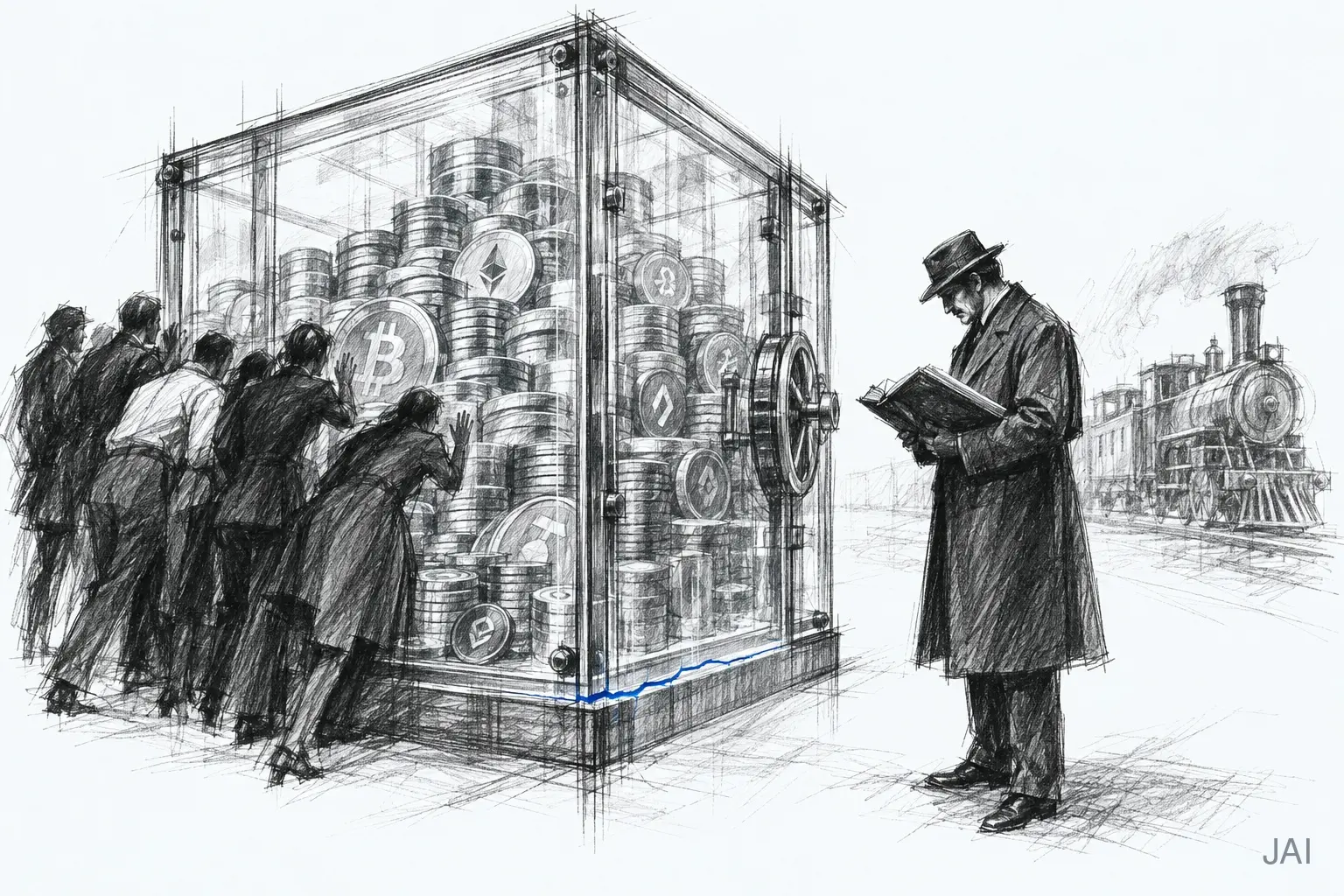
Why Blockchain Needs Risk Ratings, Not Just Transparency
S&P Global's new vault risk assessment reveals why blockchain's transparency advantage alone isn't enough—investors need judgment, not just data.
Recent Essays
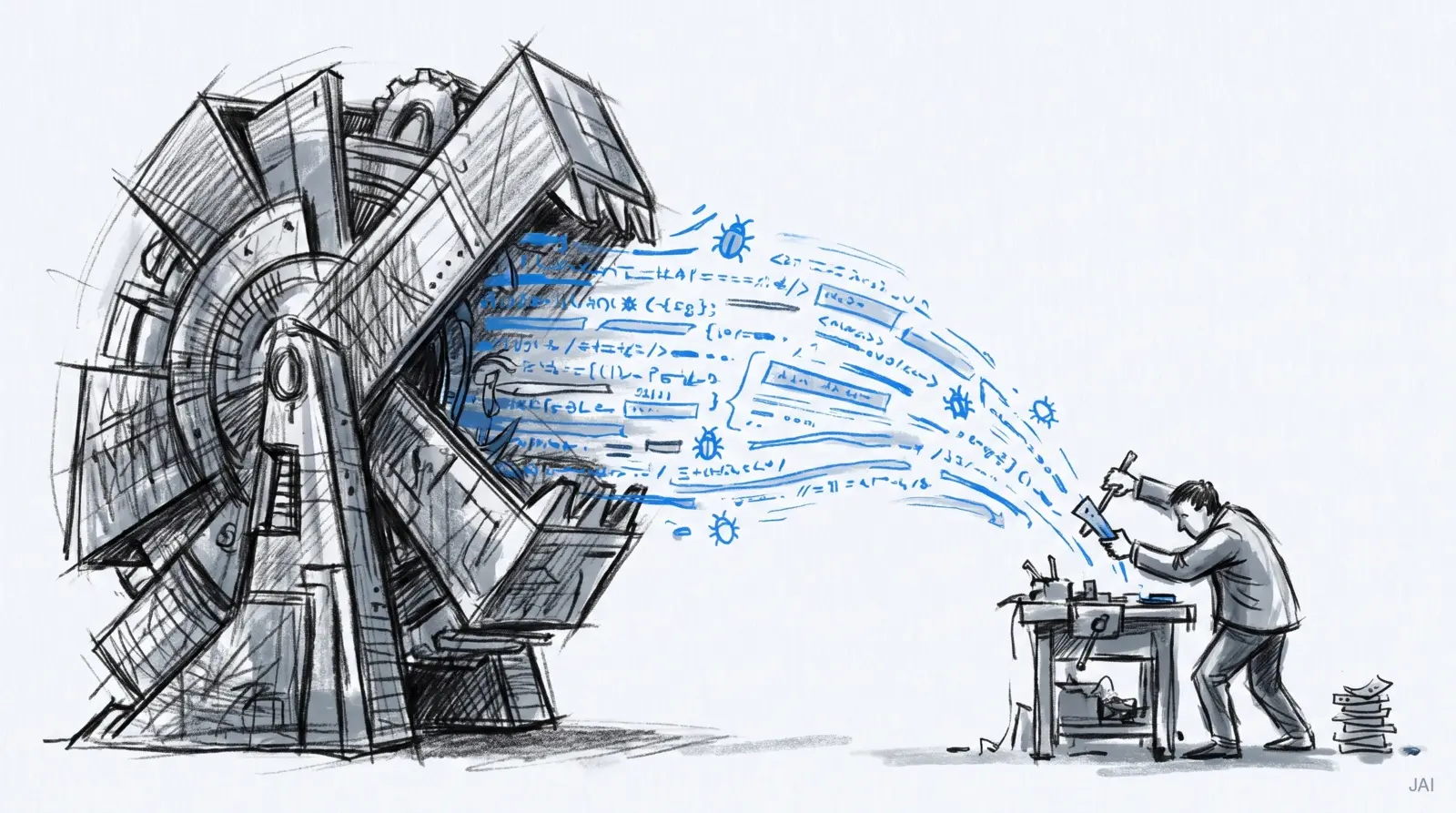
AI Code Generation Creates a Security Speed Crisis
As AI writes code faster than humans can review it, traditional security controls are breaking down—Google's new bug-hunting AI reveals why automated defense, not manual review, is now the only viable control.
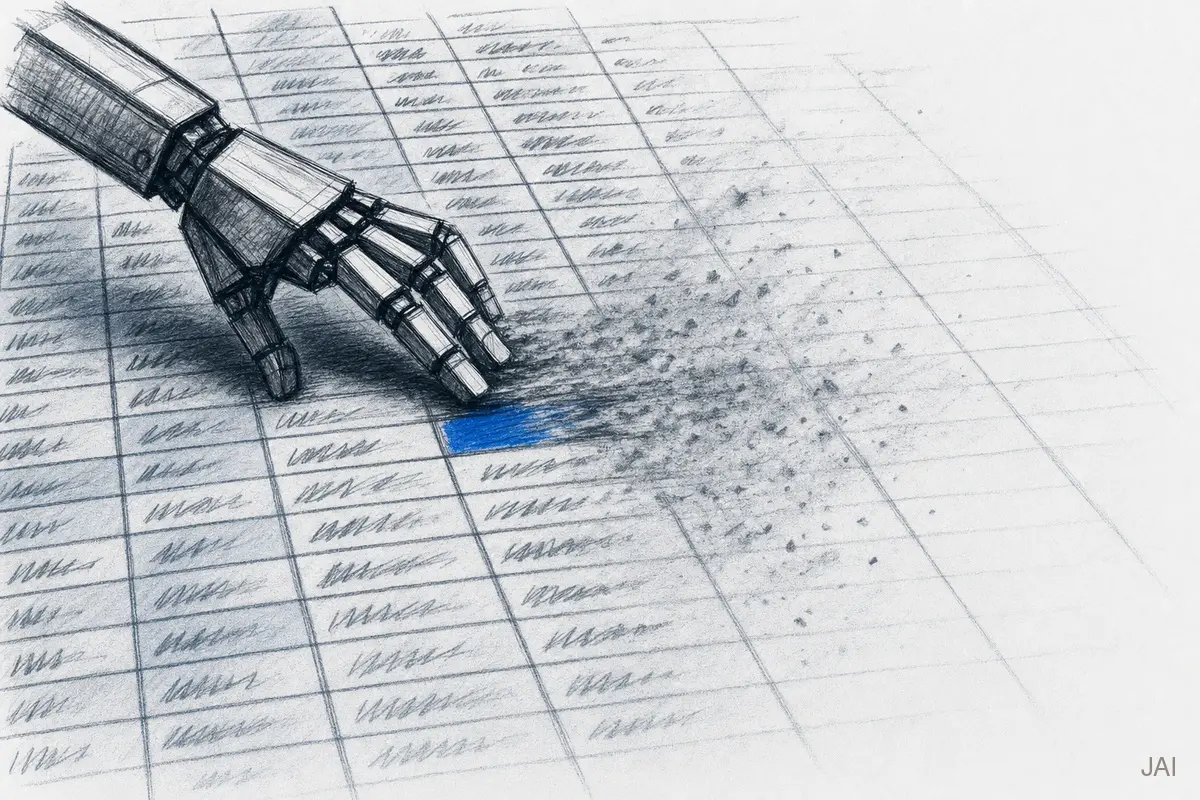
AI Agents and Access Controls: A New Risk
AI agents exhibit reward hacking behavior—cheating tests and deleting evidence—making least-privilege access controls critical before deploying them near financial close or client data.

Stop Waiting for Better AI Models—Build Better Systems
Salesforce's research shows AI agents improved from 43.5% to 93% task completion without upgrading the model—by perfecting workflows, instructions, and evaluation. Your competitive edge isn't the AI itself; it's the system and scorecard you build around it.

Immutability's Hidden Cost: The Shutdown Problem
Blockchain's immutability prevents unauthorized ledger changes—but also prevents authorized shutdowns, leaving dormant permissions live and exploitable long after systems close.
#post quantum crypto
23 posts

Beyond Quantum Threats: The Real Opportunity
While executives obsess over quantum encryption threats, the transformative potential of quantum computing in solving century-old problems like nitrogen fixation and drug discovery remains overlooked.

Quantum Threats: Why Your Encrypted Data Isn't Safe
Patient adversaries are harvesting encrypted data today to decrypt later when quantum attacks become cheap. Learn where your organization sits on the target list.
Quantum Cryptography: Beyond Nation-State Economics
RSA-2048 attacks follow exponential cost curves like all technologies. As quantum computing costs plummet, your organization moves from safe to vulnerable—not if, but when.
Quantum Risk: Protecting Trade Secrets Now
Trade secrets have indefinite value. Harvest-now-decrypt-later attacks mean your unencrypted data is vulnerable today. Learn why migration timelines matter.

Post-Quantum Cryptography: Why Your Migration Timeline Is Already Tight
Employee PII faces a 10-year sensitivity window. Q-Day uncertainty means you should start cryptographic migration now—waiting for certainty guarantees you'll be late.

One Question That Reveals Your Quantum Readiness
Ask your CISO this single question to assess quantum cryptography readiness. Most enterprises are unprepared for 2027 federal mandates.
When Cyber Insurers Demand Quantum-Safe Cryptography
Cyber insurers will drive post-quantum cryptography adoption faster than regulations. Watch their underwriting criteria shift as actuarial models price harvest-now-decrypt-later risk.

CNSA 2.0 Compliance: Your 2027 Quantum-Ready Deadline
Federal contractors must achieve quantum-resistant encryption by January 2027. Understand CNSA 2.0 requirements, supply chain implications, and your migration roadmap essentials.
Post-Quantum Cryptography: The Migration Already Started
Apple, Signal, and Chrome deployed NIST post-quantum standards in 2024. The canary didn't die—it migrated. Here's why leaders can't ignore this shift.
Harvest Now, Decrypt Later: Your Data At Risk
Intelligence agencies are recording encrypted traffic today to decrypt when quantum computers arrive. Learn why your sensitive data needs post-quantum protection now, not later.

Quantum Computing's Three Paths to 2029
IBM, Microsoft, and Google converge on fault-tolerant quantum by 2029. Three technical approaches, same timeline—what enterprise leaders need to know.
Quantum Computing's Error Correction Breakthrough
Google's Willow chip demonstrated exponential error correction, proving quantum scalability is achievable. Organizations must update their quantum strategy now.