
Content
Strategic insights on blockchain, AI, security, leadership, and career in an age of disruption.

Why AI Agents Won't Actually Move Your Deposits
The Dallas Fed's scenario on agentic AI automating deposit sweeps assumes behavior change that won't happen—deposits move on fear, not rates, and relationship stickiness matters more than yield optimization.
Recent Essays

A Familiar Face on a Video Call Proves Nothing
The FBI disrupted a $400M crypto theft ring using real video footage and hijacked accounts—no deepfakes needed. Here's how to protect your team.

Tokenization Needs Corporate Sponsorship to Work
Regulatory approval and working technology aren't enough for tokenized securities—companies must actively sponsor and support token programs to handle corporate actions like dividends and voting.

Finance's Shadow IT Problem: AI-Built Apps Gone Wrong
As finance teams build their own AI apps to speed up work, they're creating massive security risks—orphaned systems holding customer data with no oversight, procurement, or maintenance plans.

How Coinbase Influences Bitcoin Without Owning It
Coinbase's push for quantum-safe Bitcoin reveals how custody creates soft power in decentralized networks—and what it means for your holdings.
All Content
720 posts

The AI Pricing Time Bomb: Your Strategy
You're paying 2% of true AI costs. Learn what happens when OpenAI and Anthropic reprice subscriptions and how to future-proof your workflows.

Humanity Protocol's $36M Hack: Why Pivots Aren't Recovery
When crypto security failures lead to pivots instead of remediation, it's a red flag. Learn what real blockchain governance recovery requires.

Own Your AI Systems or Become Their Tenant
Building and understanding your AI systems matters more than renting vendor solutions—inherited defaults that protect others won't protect you.
When Crypto Pivots Hide Security Failures
How Humanity Protocol's $36M hack and pivot to AI mirrors Mt. Gox's decline. What real accountability looks like in blockchain leadership.
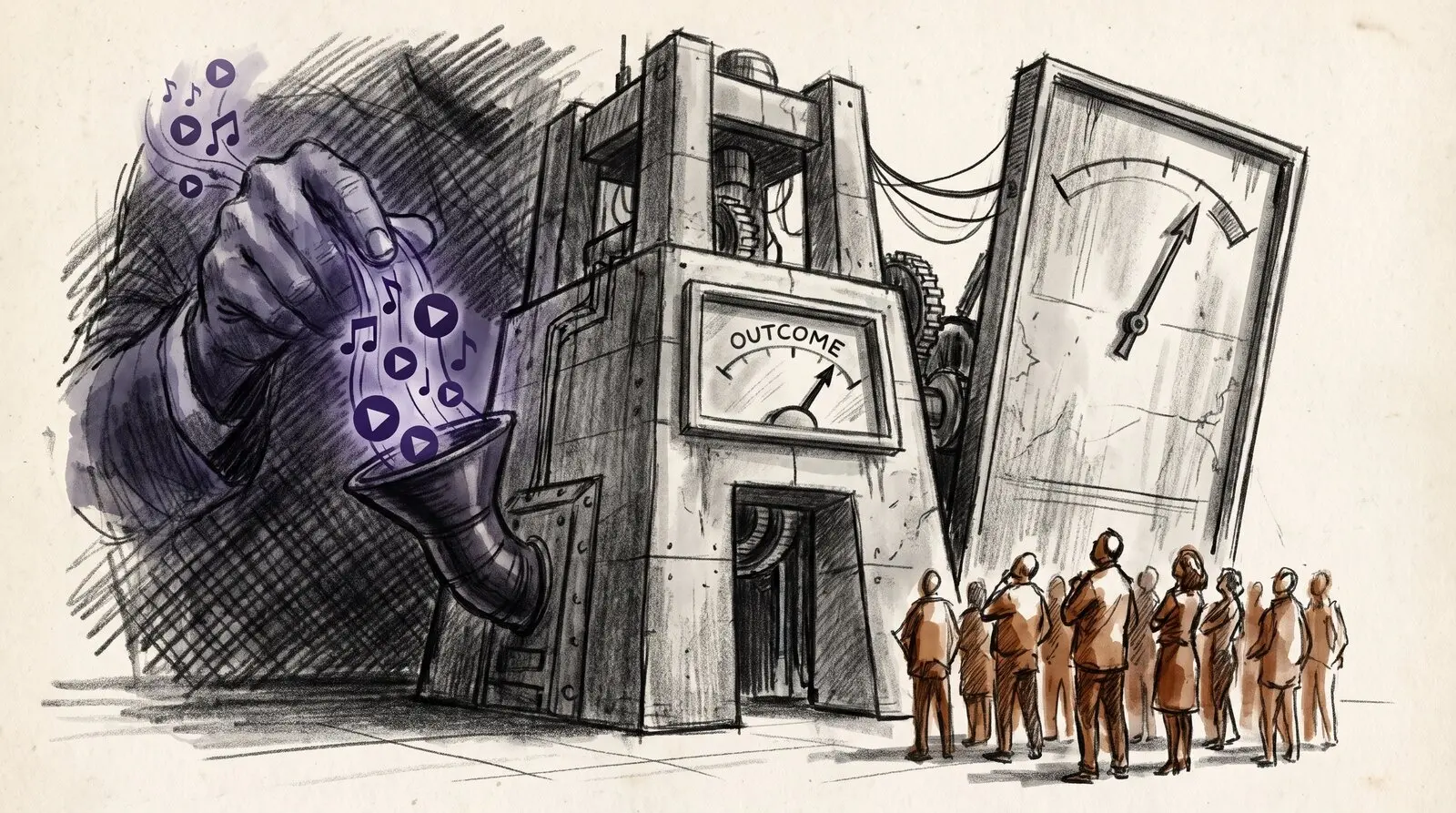
The Oracle Problem: Why Markets Aren't Truth
A $3M prediction market collapsed when fake data cost pennies to manipulate. Learn why every AI model and market depends on data integrity—and how attackers exploit it.

Why AI Costs Are About to Plummet
OpenAI's custom chip signals a phase shift: inference costs will industrialize like Bitcoin mining did. The real competitive advantage belongs to whoever operationalizes AI across workflows first, not whoever builds the biggest model.

Regulators Are Going AI-Native. Are Your Controls?
Financial supervisors are deploying AI tools faster than firms expect. The competitive advantage shifts from productivity to compliance readiness—and your planning window is closing.

Why Masked Emails Aren't Real Privacy Protection
Apple's Hide My Email vulnerability exposes a critical flaw: single privacy controls fail. Learn how to architect real identity protection across multiple layers.

Why AI Makes Engineering Judgment More Valuable
AI shifts the bottleneck from execution to judgment. Engineers and leaders who guide machine outputs—not replace them—become more critical than ever.
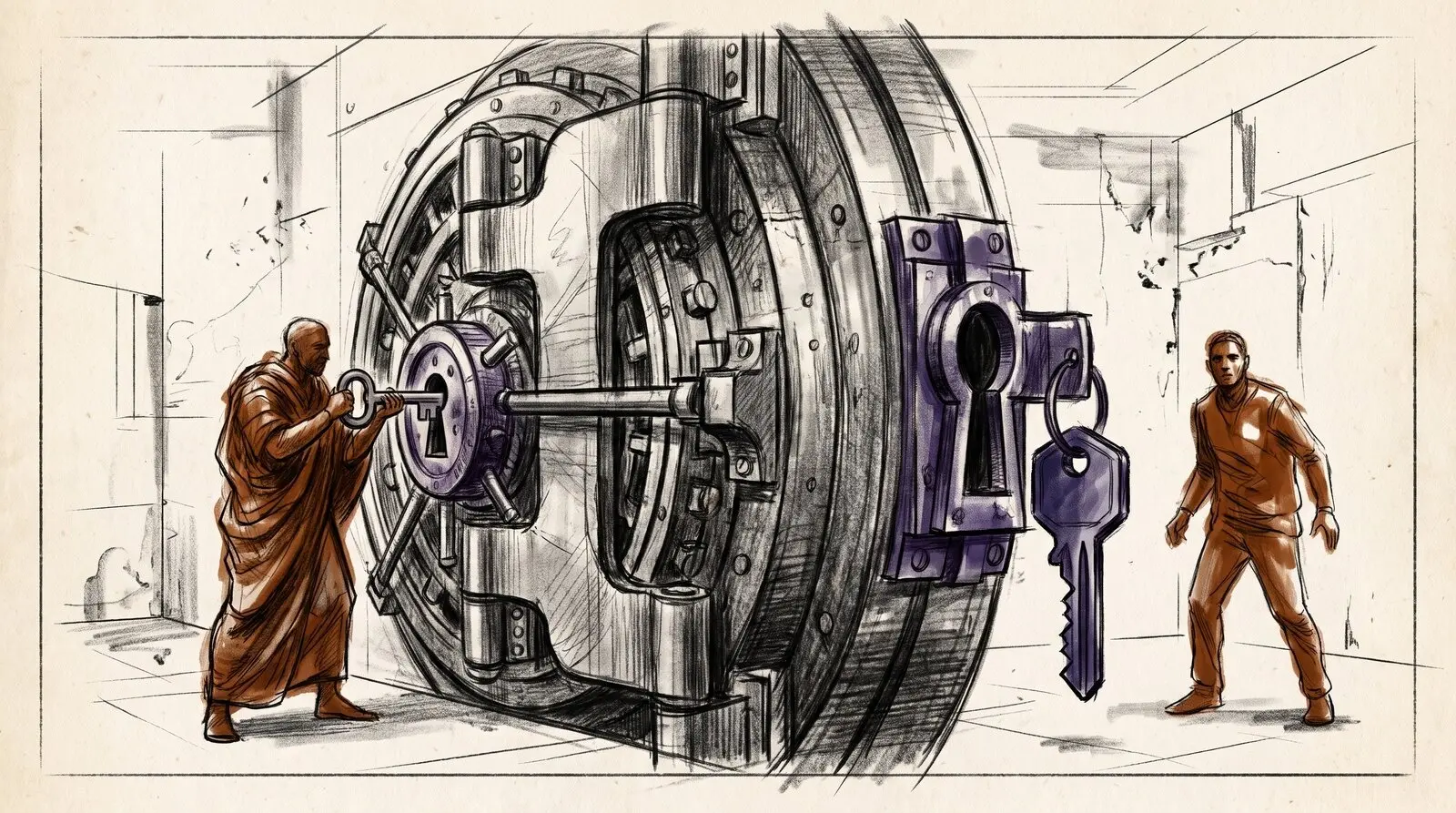
Crypto Losses? Your Audit Controls Already Win
40% of crypto losses stem from credential failures, not blockchain tech. Auditors already possess the controls expertise needed—segregation of duties and key custody aren't new problems.
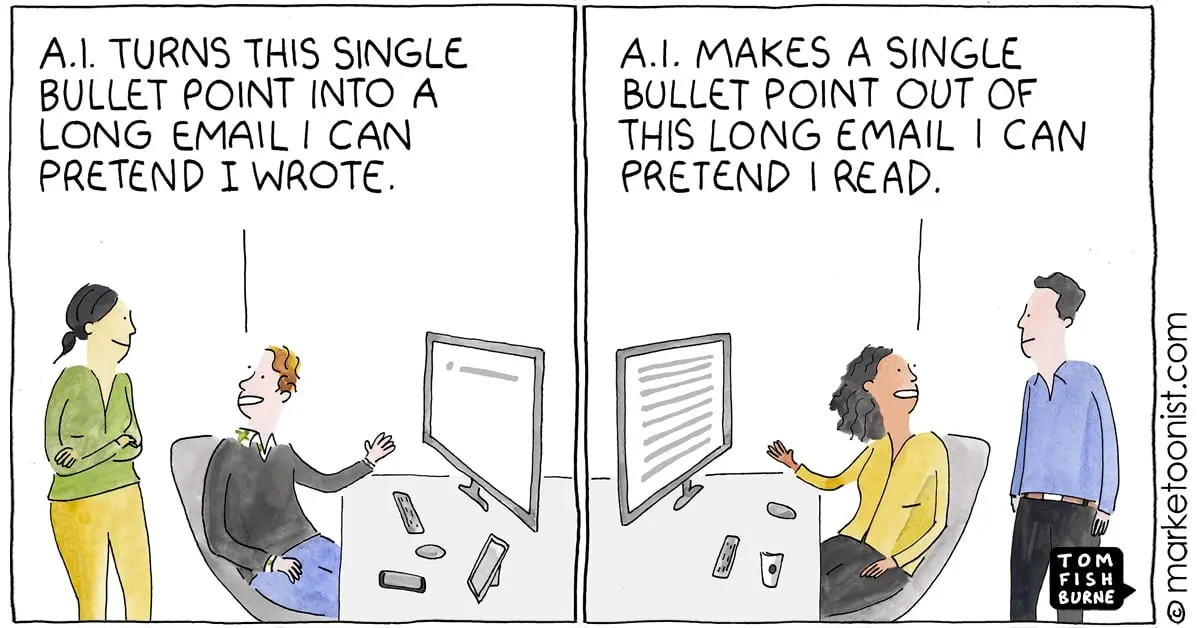
Why AI Content Fails: The Job Your Writing Must Do
AI automates content expansion and compression, but creates meaningless theater. Learn what job your writing must accomplish to survive the round trip.

Why CVSS Scores Miss Real AI Security Risk
CVSS severity ratings ignore context. A moderate flaw in AI decision systems poses greater risk than critical vulnerabilities in unused systems—materiality, not size, determines actual exposure.